If you are looking for income property in the West Valley, Woodland Hills and West Hills deserve a serious look. Both neighborhoods sit above the City of Los Angeles median sale price, and each offers a different investment profile depending on whether you want multifamily stability, premium single-family rental income, or value-add upside. This guide will help you understand where the opportunities are, what to watch in underwriting, and how to think more strategically about this part of the market. Let’s dive in.
Why Woodland Hills and West Hills Stand Out
Woodland Hills and West Hills are part of the Canoga Park, Winnetka, Woodland Hills, and West Hills Community Plan Area. Within that framework, Warner Center is planned as the West Valley’s primary regional center, with a strong mixed-use and transit-oriented focus that supports long-term housing demand.
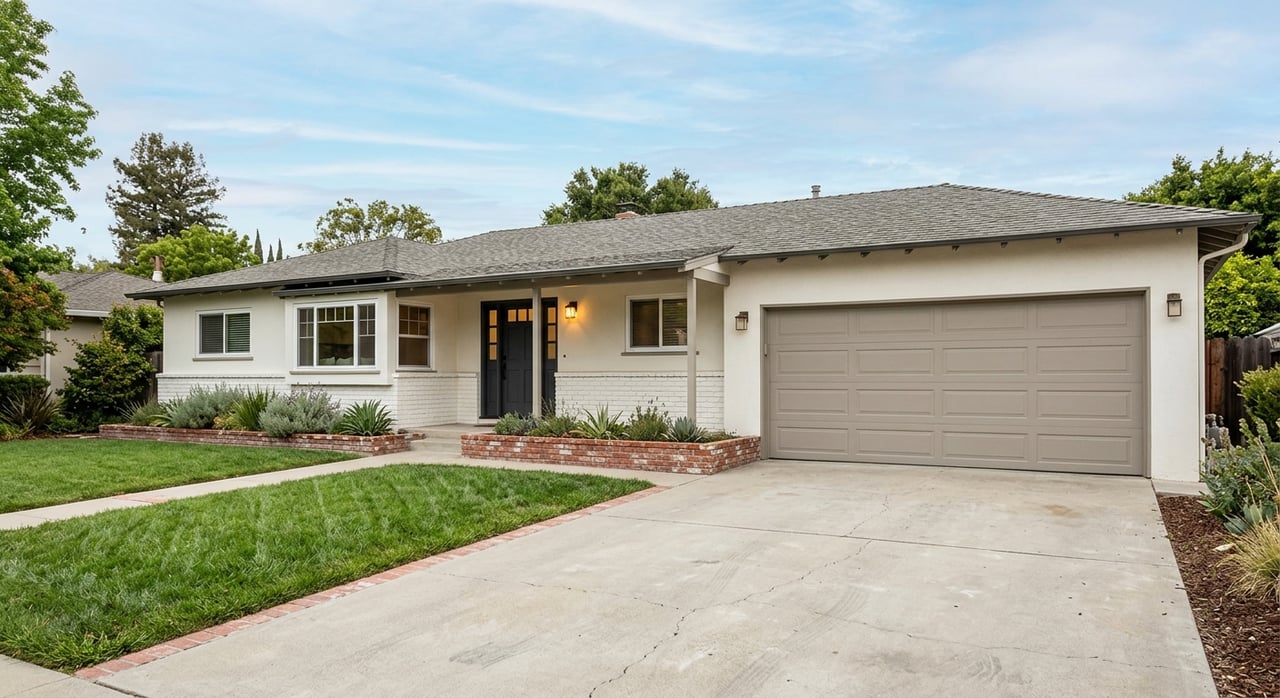
That planning context matters because it helps explain why these neighborhoods continue to attract both residents and investors. They are established, high-demand submarkets with a mix of single-family homes, multifamily properties, and older housing stock that can create room for thoughtful improvements.
Current pricing also reflects that premium position. Realtor.com market data shows a median home sale price of about $1.545 million in Woodland Hills and about $1.275 million in West Hills, both above Redfin’s reported February 2026 median sale price of roughly $1.0 million for the City of Los Angeles. The same source describes Woodland Hills as a balanced market and West Hills as a seller’s market, which points to steady demand even at higher price points.
What the Tenant Base Looks Like
A good income property decision starts with understanding who may rent there. In the broader community plan area, 48.3% of occupied units are renter-occupied, which supports a meaningful rental base alongside strong owner occupancy.
The area also shows a stable household profile. The median household income is $106,599, 30.2% of households have children, and the age mix includes 34.3% of residents between 35 and 59, 20.2% between 22 and 34, and 14.7% age 65 or older, according to the City Planning demographic profile.
For you as an investor, that points to several likely renter segments:
- Working professionals who want access to major West Valley job and commercial areas
- Households looking for longer-term rental options in established neighborhoods
- Residents seeking single-family homes or larger units with more space
- Aging-in-place renters who may value functional layouts and location familiarity
This is one reason cookie-cutter underwriting can miss the mark here. Demand is not limited to one renter type, and product quality, layout, and location can shift rents more than broad averages suggest.
Woodland Hills vs. West Hills Investment Profiles
These two neighborhoods are close geographically, but the strongest opportunities are not always the same.
Woodland Hills and Multifamily Potential
Woodland Hills appears better suited to stabilized and value-add multifamily plays, especially near Warner Center and Ventura Boulevard. The neighborhood combines a deeper renter pool with a more balanced market, which can support leasing and reduce some of the volatility that comes with thinner inventory segments.
LoopNet apartment listings in Woodland Hills show asking cap rates generally ranging from 5.05% to 5.72% for small multifamily properties. These are asking cap rates rather than closed-sale numbers, but they still provide a useful real-time snapshot of how the market is being priced.
West Hills and Premium Rental Appeal
West Hills looks especially interesting for premium single-family rentals and ADU-enhanced properties. Realtor.com rental data shows a median rent of $4,500 in West Hills compared with $3,117 in Woodland Hills.
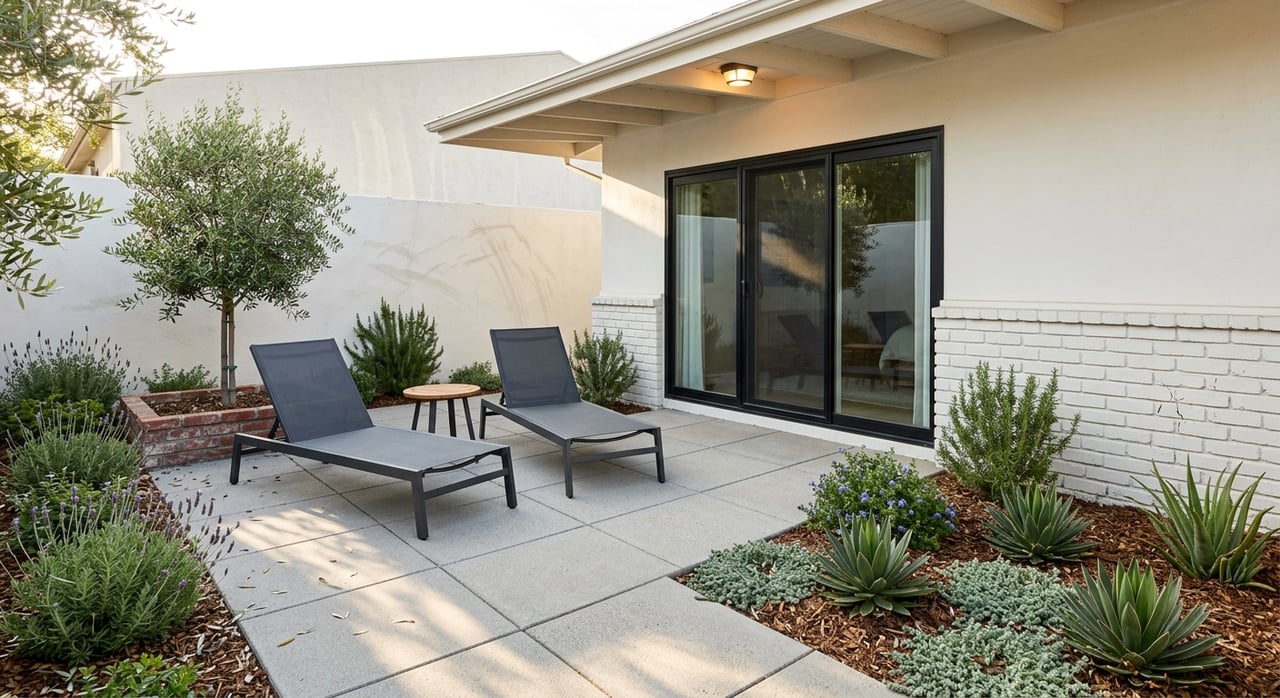
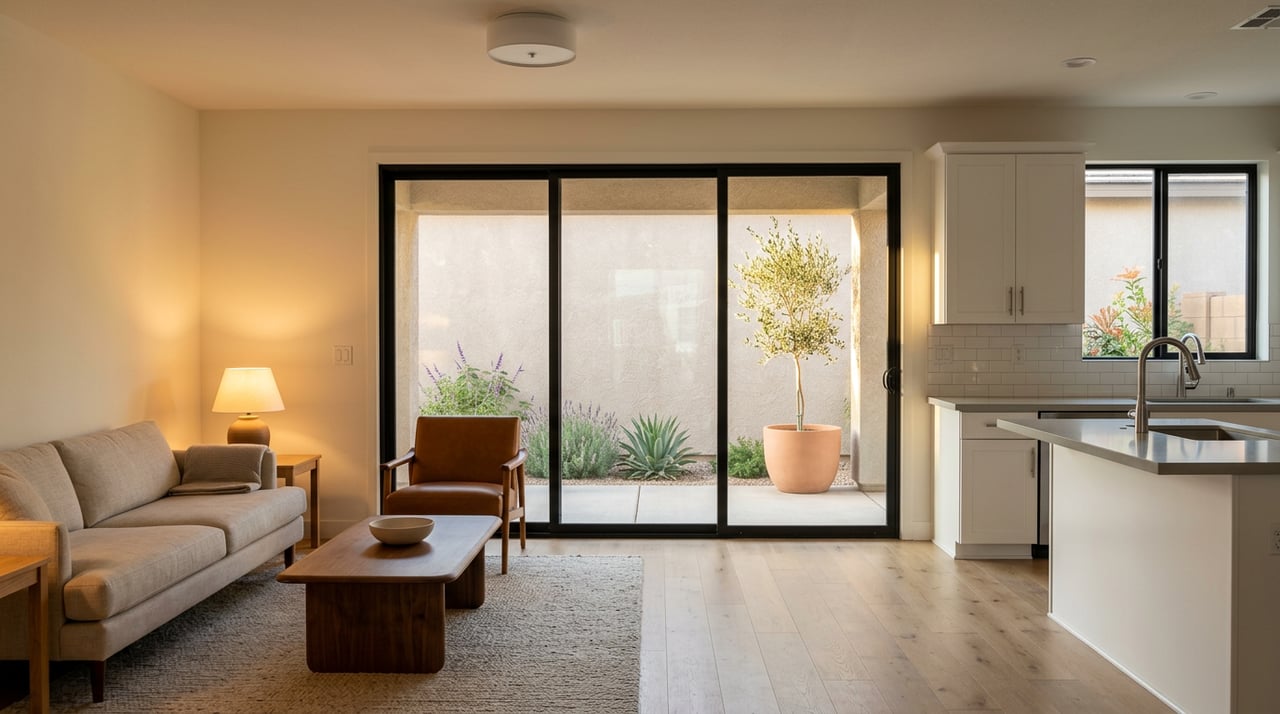
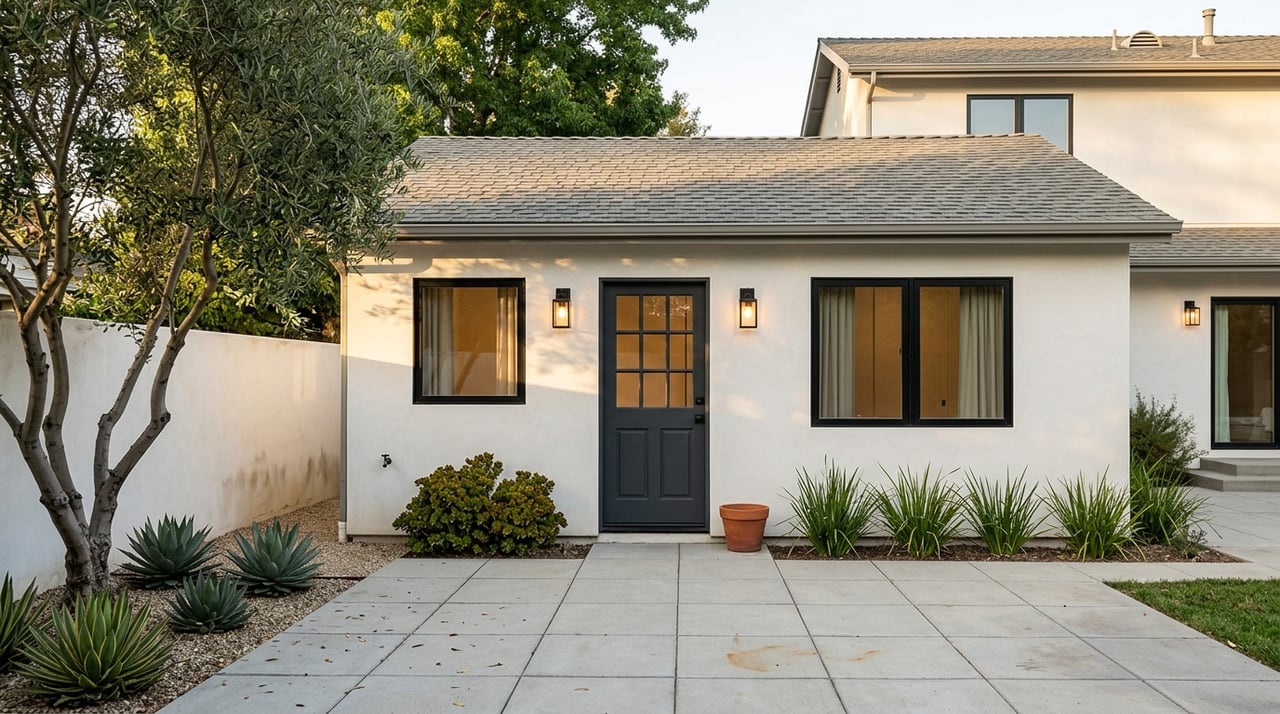
That spread suggests a different kind of opportunity. In West Hills, larger homes, updated interiors, and well-designed primary-home-plus-ADU configurations may create stronger rental income than standard apartment product, especially when the property appeals to renters looking for more privacy, outdoor space, or flexible living arrangements.
Where the Numbers Get Interesting
The biggest opportunities in this market often come from execution rather than speculation. Older housing stock, rent potential differences by product type, and local regulations all play a major role in whether a deal performs the way you expect.
Older Housing Stock Creates Value-Add Potential
The broader area has a meaningful concentration of older homes and apartment buildings. According to the City Planning housing profile, the largest year-built groups are the 1950s at 24.4%, the 1960s at 20.1%, and the 1970s at 16.2%.
That matters because older inventory can create room for:
- Interior renovations
- Systems upgrades
- Repositioning older units to compete with renovated stock
- ADU or JADU additions where feasible
- Small-scale infill strategies on the right lots
At the same time, older product also raises the chances that rent regulation and compliance issues will affect your numbers. In this submarket, a smart investor treats condition and regulatory status as core underwriting items, not side notes.
Cap Rates Are Often in the Mid-5s
If you are evaluating small multifamily, today’s market signals point toward mid-5% asking cap rates. LoopNet listing data shows current asking cap rates in Woodland Hills mostly between 5.05% and 5.72%, while West Hills listings are typically between 5.05% and 5.34%.
That range can serve as a practical baseline, but not a shortcut. Cap rates on paper can change quickly when deferred maintenance, tenant turnover timing, or regulatory limits affect your actual path to higher income.
Value-Add Can Shift Returns
One current listing example shows how much strategy can matter. A Woodland Hills multifamily listing marketed with upside is presented at a 5.45% current cap rate, with projected upside to 6.15% after turnover and 8.38% with ADUs.
You should not treat one listing as a guarantee of market-wide performance. Still, it is a useful example of how turnover, rent resets, and added density can materially improve yield when the property, lot, and compliance path all line up.
ADUs and Missing Middle Opportunities
For many investors, the most compelling angle in Woodland Hills and West Hills is not a ground-up redevelopment play. It is the chance to create incremental value through small-scale density.
Los Angeles City Planning’s Missing Middle LA initiative is designed to make duplexes, small-lot homes, and for-sale ADUs easier to build, while also updating the City’s ADU ordinance and incorporating the HOME Act’s two-unit provisions. In a market with a large single-family base, that creates more pathways for selective infill and smarter land use.
ADU Feasibility Is Not One-Size-Fits-All
An ADU can be attractive on paper, but you need to underwrite it carefully. LAHD explains ADU rules, including the fact that adding an ADU or JADU to an existing parcel can bring the property under the City Housing Code for two-or-more-unit rental properties.
LAHD also notes that rent-stabilization treatment depends on the age and configuration of the original structure. Some pre-1978 units may be covered by the Rent Stabilization Ordinance, while some newer ADUs on pre-1978 parcels may instead fall under the Just Cause Ordinance. That can directly affect rent growth assumptions, operating requirements, and exit strategy.
West Hills Requires Extra Site Review
In West Hills especially, lot-by-lot feasibility matters. City Planning notes that hillside areas and Very High Fire Hazard Severity Zones may carry added constraints as the City updates ADU policy.
Before you assume an ADU will pencil, confirm access, setbacks, fire-zone implications, and insurance considerations. In some cases, the site limitations may matter more than the conceptual upside.
Rent Rules Can Change Your Underwriting
This is one of the most important parts of the analysis. If you are buying for income, you need to know not only what a unit could rent for, but also what rules govern future increases and tenancy.
LAHD’s renter protections page states that the RSO annual rent increase remains 3% for the July 1, 2025 to June 30, 2026 cycle, while the formula was amended effective February 2, 2026 to a 1% to 4% range depending on CPI. The page also says the additional utility percentage increase has been removed, that many non-RSO units may still fall under AB 1482 at 8% for the August 1, 2025 to July 31, 2026 period, and that most non-RSO residential units in the City are now covered by the JCO for eviction protections.
The takeaway is simple: do not underwrite rent growth casually. Verify whether units are RSO, AB 1482, JCO, or subject to other city rules before you decide what a property is worth.
How to Evaluate the Best Opportunity
In this submarket, the best deal is rarely the one with the most aggressive headline number. It is usually the one where the property type, compliance profile, and business plan match the neighborhood.
A practical way to think about it is this:
| Strategy | Woodland Hills | West Hills |
|---|---|---|
| Stabilized small multifamily | Strong fit | More limited fit |
| Value-add apartment building | Strong fit | Selective fit |
| Premium single-family rental | Good fit | Strong fit |
| ADU-enhanced single-family property | Good fit | Strong fit, with more feasibility review |
| Heavy speculative redevelopment | More selective | More selective |
If you are comparing options, focus on these questions:
- Is the current income realistic and documented?
- What regulations apply to each unit?
- Does the lot actually support an ADU or JADU strategy?
- Is the rent potential based on true comparable product or on wishful thinking?
- Are you buying older stock that needs more capital than the listing suggests?
Those answers often determine whether a property becomes a strong long-term hold or a frustrating project.
A Strategic Path for Investors
Woodland Hills and West Hills can both offer solid income property opportunities, but they reward precision. Woodland Hills tends to make the most sense for multifamily investors who want stable rental demand with value-add potential, while West Hills may offer stronger upside for premium single-family rentals and carefully planned ADU plays.
If you want to invest in this part of Los Angeles, your edge usually comes from better underwriting, sharper negotiation, and a clear understanding of local housing rules. If you want help evaluating a specific property or comparing opportunities in the West Valley, Bruce Barz can help you take a strategic, data-driven approach.
FAQs
What types of income properties are most promising in Woodland Hills?
- Woodland Hills appears especially well suited to stabilized and value-add small multifamily properties, particularly in areas influenced by Warner Center and Ventura Boulevard, where renter demand is supported by a balanced market and a strong housing base.
What types of income properties are most promising in West Hills?
- West Hills often stands out for premium single-family rentals and homes with ADU potential, especially where larger layouts and updated finishes can support higher rental pricing.
What are typical cap rate signals for multifamily in Woodland Hills and West Hills?
- Current LoopNet asking cap rates for small multifamily listings are generally in the mid-5% range, with Woodland Hills listings around 5.05% to 5.72% and West Hills listings around 5.05% to 5.34%.
What should investors know about ADU rules in Woodland Hills and West Hills?
- Investors should confirm whether an ADU or JADU changes the property’s regulatory status, because LAHD notes that adding an ADU can bring a parcel under the City Housing Code for two-or-more-unit rental properties, and rent-rule treatment may vary based on the age and configuration of the original structure.
What rent regulations matter for income property in the City of Los Angeles?
- Depending on the property, units may be subject to the Rent Stabilization Ordinance, AB 1482, or the Just Cause Ordinance, so you should verify the exact status of each property before projecting rent growth or tenant turnover strategy.
How can you compare Woodland Hills and West Hills investment opportunities more effectively?
- Start by matching the property type to the neighborhood, then review actual income, renovation needs, lot feasibility, and local compliance issues so your return assumptions are based on facts rather than broad averages.