Wondering why one Woodland Hills home feels open and breezy while another feels more formal and tucked in? In this part of the San Fernando Valley, architectural style shapes more than curb appeal. It often affects layout, natural light, outdoor living, and even maintenance. If you are buying or selling in Woodland Hills, understanding the local housing mix can help you make smarter decisions and spot value more quickly. Let’s dive in.
Why Woodland Hills Has This Mix
Woodland Hills reflects the San Fernando Valley’s big postwar growth story. After World War II, the Valley shifted from farms to suburban neighborhoods filled with tract homes, pools, and shopping centers. That history still shows up clearly in the homes you see today.
A big part of the area’s identity comes from ranch-era development. The Los Angeles Conservancy identifies Woodland West in Woodland Hills as a 1964 planned mid-century subdivision that remains notably intact. That helps explain why low-slung forms, wide lots, and a strong relationship to the yard still define so much of the local housing stock.
Climate also plays a major role in how these homes were designed. NOAA normals for Woodland Hills show average highs of 95.1°F in July and 97.4°F in August, with almost no summer rain. In practical terms, that makes shade, overhangs, patios, and indoor-outdoor flow especially important in this market.
Ranch Homes In Woodland Hills
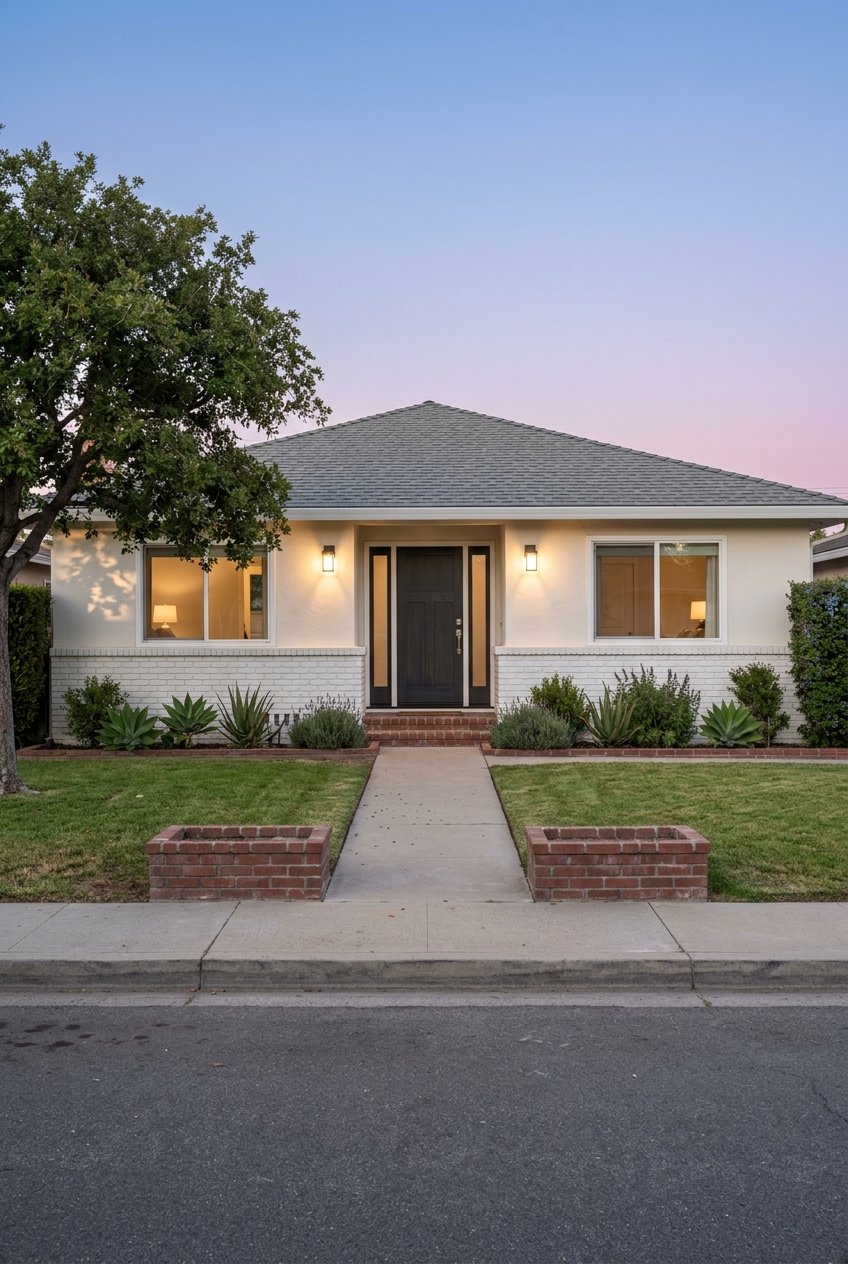
Ranch homes are the foundation of Woodland Hills housing. Across the San Fernando Valley, ranch houses became a defining postwar form, and Woodland Hills remains one of the clearest local examples. In many pockets, you will see broad one-story or near-one-story homes set on wider lots with a horizontal look.
A ranch home usually feels practical and easy to live in. These homes often offer straightforward circulation, strong access to the yard, and a layout that supports everyday living without a lot of vertical separation. That simplicity is one reason buyers continue to respond well to them.
Visually, ranch homes often include broad eaves, picture windows, stucco, board and batten, natural stone, or a mix of exterior materials. In Woodland Hills, that mix can add charm and character. It can also mean exterior upkeep involves more than one finish or surface.
What To Look For In Ranch Design
When you walk through a ranch home, pay attention to:
- Horizontal massing
- Easy flow between living areas
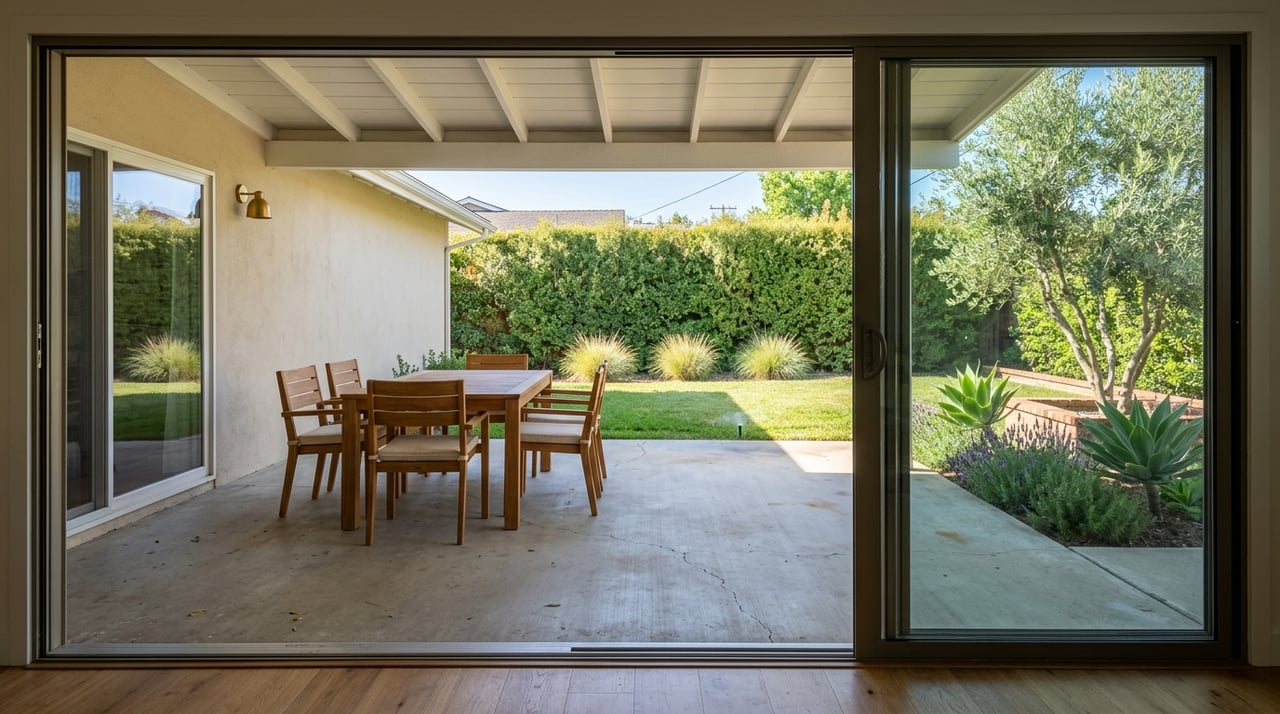
- Strong connection to the backyard
- Wide roof overhangs for shade
- Mixed exterior materials that may need different levels of upkeep
If you are selling a ranch home, buyers often respond to clean sight lines, refreshed exterior finishes, and well-presented outdoor spaces. In a warm climate like Woodland Hills, usable patio and yard areas can feel like a true extension of the house.
Contemporary Ranch And Woodland West
A contemporary ranch takes the ranch foundation and pushes it in a more modern direction. The Los Angeles Conservancy describes Woodland West as a collection of rambling, horizontally oriented Contemporary Ranch houses on wide lots and curving streets. That gives this style real local significance rather than just broad architectural interest.
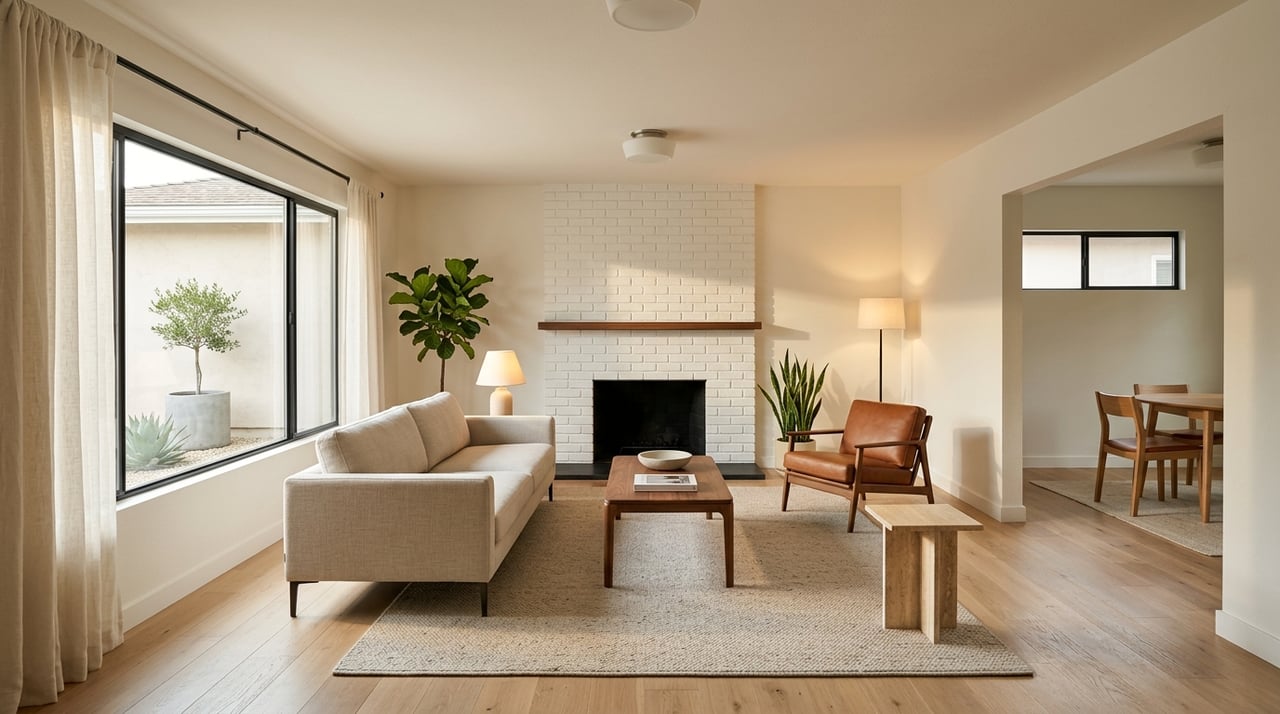
Compared with a more traditional ranch, a contemporary ranch often feels a bit cleaner and more design-forward. You may notice larger windows, simpler lines, and a stronger emphasis on openness. The goal is still livability, but with a slightly more modern expression.
For buyers, this style often hits a sweet spot. You get much of the practical appeal of one-level living, but with more visual openness and a lighter feel. For sellers, these homes often benefit from thoughtful presentation that highlights light, lot, and indoor-outdoor use.
Mid-Century Modern In Woodland Hills
Mid-century modern homes are among the most recognizable architectural styles in Woodland Hills. Los Angeles planning documents describe the style as common from the 1950s through the 1970s, with horizontal massing, exposed structure, flat or low-pitched roofs, abundant glazing, and a deliberate relationship between indoors and outdoors.
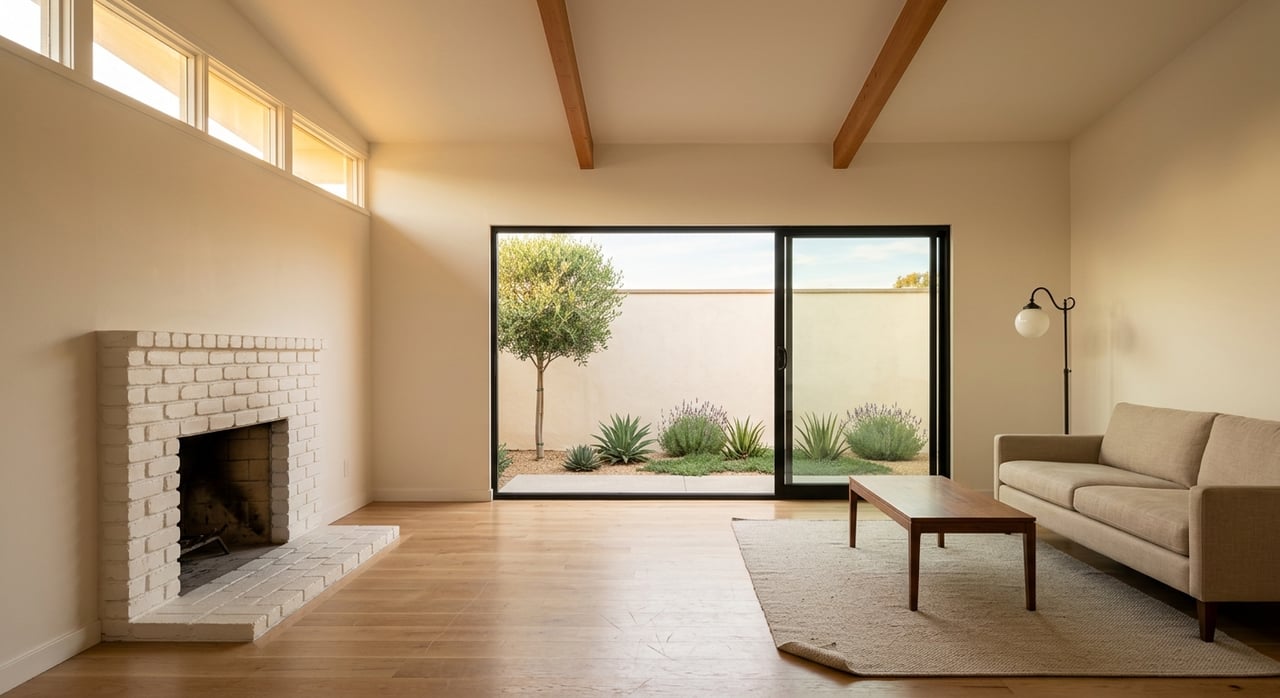
In simple terms, these homes are designed to feel connected to light, landscape, and daily living. Open floor plans, clerestory windows, post-and-beam systems, and large expanses of glass are all hallmarks of the style. In Woodland Hills, those features often work especially well on lots with views, slope, or privacy from the street.
The local examples are telling. The Van Dekker House uses an L-shaped plan to maximize outdoor space and view lines, while the Spanner Residence adapts modern design to a sloping hillside with multiple levels, wide overhanging eaves, horizontal window bands, terraces, and patios. Those examples show that Woodland Hills modern homes often respond to topography and light as much as they respond to the street.
Why Buyers Love Mid-Century Modern
Many buyers are drawn to mid-century modern homes for a few clear reasons:
- Brighter interiors
- More open common spaces
- Strong visual connection to patios and yards
- A distinctive design identity
- Better use of views on hillside sites
That said, design character can come with extra considerations. Original windows, roof edges, wood details, and extensive glazing may require more deliberate maintenance, especially in Woodland Hills heat and dryness. If you are evaluating one of these homes, condition matters just as much as style.
Traditional Homes Explained
In Los Angeles planning materials, homes many people call traditional often align with categories like Colonial Revival or Minimal Traditional. Colonial Revival homes are typically more symmetrical, with hipped or side-gabled roofs, multi-pane windows, modest porches, and restrained ornament. Minimal Traditional homes are generally simpler, boxier, and less decorative.
In Woodland Hills, traditional is often less about a single exact label and more about how a house feels. These homes usually feel more formal and enclosed than ranch or mid-century modern properties. They often offer clearer room separation and a more familiar street-facing presence.
For some buyers, that is a major advantage. If you prefer defined rooms, less glass, and a look that feels straightforward, a traditional home may be a better fit. Sellers can also benefit from that broad appeal when the home is presented as functional, well-kept, and easy to personalize.
Contemporary Homes In Woodland Hills
Contemporary architecture became popular after World War II and remained common into the mid-1970s. Los Angeles planning documents describe it with traits like broad roofs, generous plate glass, clean profiles, exposed wood or steel supports, and low-pitched or flat roof forms.
In Woodland Hills, contemporary homes often appear as later custom builds or as updated ranch homes with a more modern look. Rather than belonging to one single tract era, they are often part of the area’s evolution. You may see simpler massing, larger window walls, decks, patios, and a general effort to maximize light while reducing visual clutter.
For buyers, contemporary homes can feel fresh without being tied to one strict historic vocabulary. For sellers, these homes often perform best when the presentation emphasizes clean lines, natural light, and usable exterior spaces.
How Style Affects Daily Living
Architectural style is not just about appearance. In Woodland Hills, it often shapes how a home lives day to day.
Layout And Flow
Ranch and contemporary ranch homes usually offer the most straightforward layouts. Mid-century modern homes are often the most open, while traditional homes tend to be more compartmentalized. If you care about how rooms connect, the style gives you useful clues before you even tour the property.
Natural Light
Mid-century modern and contemporary homes tend to maximize daylight through larger windows, clerestories, and glass walls. Traditional homes usually rely on smaller, more conventional openings. If bright interiors matter to you, this is one of the biggest style differences to notice.
Outdoor Living
Wide subdivision lots tend to favor ranch plans and easier backyard access. Hillside sites often push modern homes toward terraces, patios, and view-oriented layouts. In Woodland Hills, outdoor space is not just a bonus. It is often part of the design logic of the home itself.
Maintenance Expectations
Woodland Hills summers are hot and dry, so roof condition, glazing, shade, and exterior finishes matter. Homes with mixed materials or lots of glass may require more intentional upkeep over time. That does not make them less desirable, but it does make careful evaluation more important.
Quick Style Vocabulary For Buyers
If you want to describe what you are looking for more clearly, this shorthand can help:
- Ranch usually means low-slung, practical, and yard-connected
- Mid-century modern usually means open, bright, and glass-forward
- Traditional usually means more symmetry, more enclosure, and a familiar look
- Contemporary usually means cleaner lines and a newer, less ornamented feel
When you can describe the feel you want, your home search becomes much more focused. That is especially helpful in Woodland Hills, where homes may share price points but live very differently depending on style and site.
What This Means If You Are Buying Or Selling
If you are buying in Woodland Hills, architecture can help you narrow your search faster. A ranch may suit you best if you want practical circulation and strong yard access. A mid-century modern or contemporary home may make more sense if light, openness, and outdoor integration are high on your list.
If you are selling, knowing your home’s architectural language helps you market it more effectively. Buyers respond differently to a traditional layout than they do to a glass-forward hillside modern. Clear positioning, smart presentation, and a strategy that highlights the right design features can make a meaningful difference.
That is where local context matters. In Woodland Hills, style is tied closely to postwar development patterns, lot shape, hillside conditions, and climate. When you understand those connections, it becomes easier to evaluate homes and communicate their value.
If you are thinking about buying or selling in Woodland Hills, working with a local advisor can help you read beyond the listing photos and focus on the details that really affect lifestyle, upkeep, and long-term appeal. To schedule a free consultation, connect with Bruce Barz.
FAQs
What architectural style is most common in Woodland Hills homes?
- Ranch and contemporary ranch homes are among the most common styles in Woodland Hills because the area reflects the San Fernando Valley’s postwar suburban expansion.
What makes a Woodland Hills mid-century modern home different?
- A Woodland Hills mid-century modern home typically emphasizes horizontal lines, abundant glass, open floor plans, and a strong indoor-outdoor connection, often shaped by light, views, and hillside topography.
What does traditional style mean in Woodland Hills real estate?
- In Woodland Hills real estate, traditional usually refers to homes that feel more formal and enclosed, often with clearer room separation, more symmetry, and a more conventional street presence.
How does Woodland Hills climate affect home design?
- Woodland Hills heat and summer dryness make shade, roof overhangs, patios, glazing, and exterior material condition especially important in how homes function and age.
Are contemporary homes in Woodland Hills the same as mid-century modern homes?
- No. Contemporary homes in Woodland Hills may share clean lines and larger windows, but they are often later custom builds or remodeled ranch homes rather than classic mid-century modern designs.
Why does architectural style matter when buying a Woodland Hills home?
- Architectural style matters because it often affects layout, natural light, outdoor living, maintenance expectations, and how well a home fits your day-to-day lifestyle.