If you have ever driven through Woodland Hills and thought, "This feels like three different neighborhoods in 15 minutes," you are not imagining it. Woodland Hills covers a wide stretch north and south of US-101, with areas that range from mixed-use commercial corridors to older ranch-home tracts to hillside streets near the Santa Monica Mountains. If you are trying to decide where your daily life will feel most comfortable, understanding those differences can save you time and sharpen your home search. Let’s dive in.
Why Woodland Hills Feels Different
Woodland Hills is not one uniform neighborhood. Los Angeles City Planning describes it as extending across both sides of the 101, with the southern edge roughly along Mulholland Drive in the mountains, and it also notes that planning boundaries do not always match neighborhood council boundaries.
That matters because two homes with the same Woodland Hills address can offer very different routines. One may put you close to shopping, dining, and transit-oriented development, while another may feel quiet, low-rise, and removed from commercial activity.
The Planning Layers Behind It
A big reason for that variation is how the area has been planned. The Ventura/Cahuenga Boulevard Corridor Specific Plan covers the Woodland Hills stretch of Ventura Boulevard and is intended to balance land use, circulation, and pedestrian-oriented commercial activity.
At the same time, the Warner Center 2035 Specific Plan was adopted to create a mixed-use, transit-oriented district. Warner Center is even divided into eight districts, which tells you right away that this part of Woodland Hills has its own internal differences.
Ventura Boulevard and Warner Center
If you want the most connected, active version of Woodland Hills living, this is usually the first area to explore. Ventura Boulevard serves as the neighborhood’s main commercial spine, and the Warner Center area is specifically planned around mixed-use growth and transit-oriented living.
This part of Woodland Hills is the strongest fit for a walk-to-errands or walk-to-dining routine. Public anchors like the Woodland Hills Branch Library on Ventura Boulevard and Warner Center Park on Topanga Canyon Boulevard support that day-to-day convenience, and the Village at Westfield Topanga adds shopping, grocery, hotel, office, and community-oriented uses nearby.
Best Fit for Daily Convenience
If your priority is keeping more of life within a tighter radius, the Warner Center and Ventura core stands out. You may be able to reduce how often you get in the car for everyday stops, especially compared with lower-density pockets farther from the corridor.
The tradeoff is that this area tends to have more activity and more planned change. Buyers who love energy and convenience may see that as a plus, while buyers who want a quieter, more settled streetscape may prefer a different micro-neighborhood.
Ranch-Style Residential Pockets
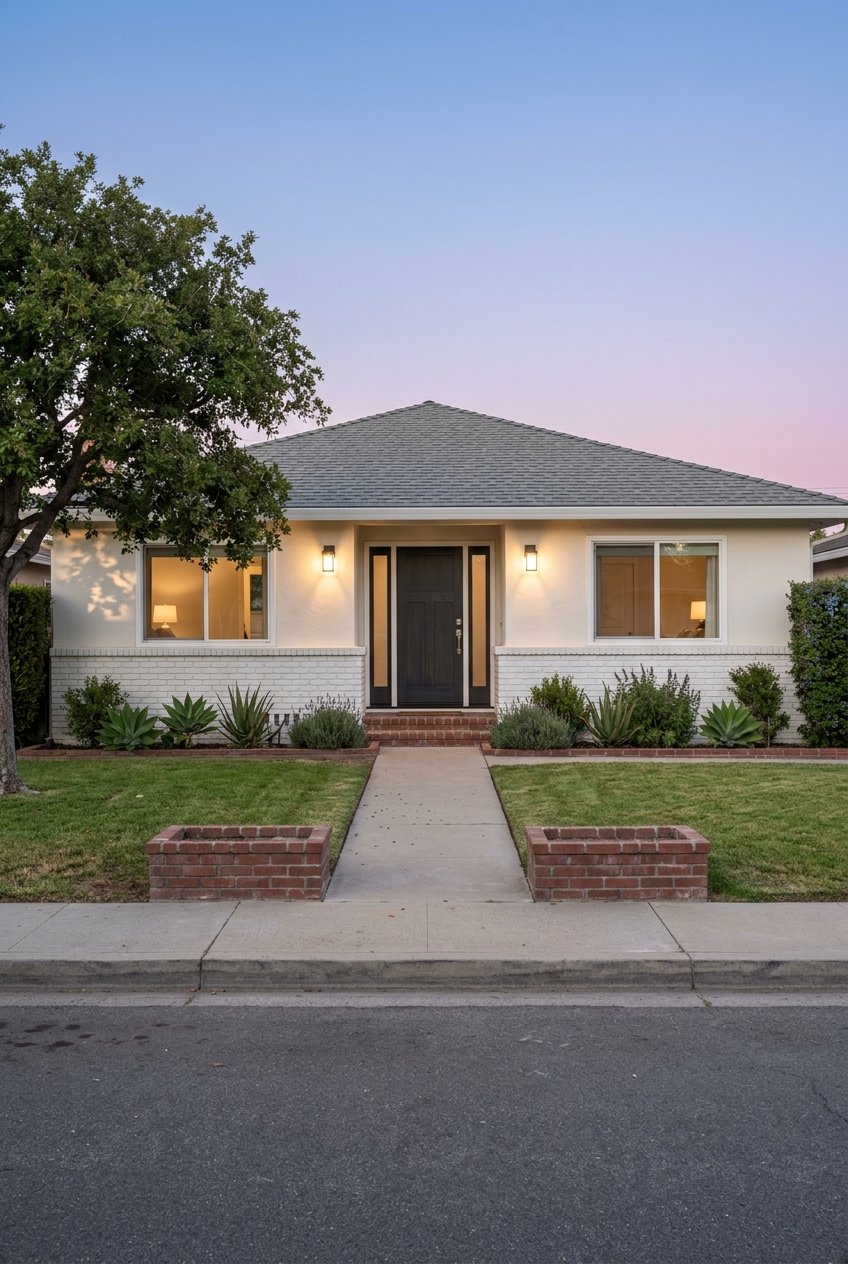
Woodland Hills also includes neighborhoods that feel much more traditionally suburban. The city’s historic survey describes East Woodland Hills Estates as a mid-1950s area of mostly one-story single-family homes, many in Traditional Ranch style, with wide setbacks, curb cuts, and mature trees.
Woodside Historic District reflects a similar pattern with late-1950s Contemporary Ranch homes, curving blocks, wide lots, grassy front lawns, and established landscaping. These details create a lower-density residential feel that is very different from Ventura Boulevard.
Best Fit for a Classic Detached-Home Feel
If you picture Woodland Hills as tree-lined streets, driveways, and a more residential rhythm, these areas are likely closer to what you mean. The lot pattern and building form point to a more car-oriented routine, but they also create breathing room that many buyers value.
One practical tradeoff is maintenance. Wider lots and older landscaping can be appealing, but they usually come with more exterior upkeep than a condo, townhome, or denser mixed-use setting.
Large-Lot Labels Like Walnut Acres
Some Woodland Hills area labels are useful, but informal. Walnut Acres is a good example. City records have described it as a nickname rather than a formally bounded or specially zoned neighborhood.
That does not make the label meaningless. It can still be a helpful shorthand for a certain large-lot lifestyle or housing pattern, but you should not rely on the name alone when evaluating a property.
Why Parcel Verification Matters
When a neighborhood label is informal, the exact parcel matters more than the marketing language. If you are targeting a specific lot size, zoning context, or setting, it is worth verifying the property itself instead of assuming every home with a certain label offers the same thing.
This is one of the places where a strategic search process helps. In Woodland Hills, the name of an area and the reality of a parcel are not always the same thing.
Hillside and Canyon-Adjacent Streets
South of Ventura Boulevard, Woodland Hills reaches into hillside areas near the Santa Monica Mountains. These homes can offer a very different feel from the flatter residential tracts and corridor locations.
For many buyers, the appeal is privacy, topography, and views. The tradeoff is that hillside and canyon-adjacent properties often require more attention to wildfire conditions, slope, and site-specific due diligence.
Heat and Wildfire Are Real Factors
CAL FIRE notes that fire-hazard mapping depends on factors such as vegetation, topography, climate, fire history, ember movement, and crown fire potential. It also notes that properties in high-hazard areas may face defensible-space requirements.
Heat is also part of the lifestyle decision in Woodland Hills. The National Weather Service recorded 121°F there on September 6, 2020, which was the highest temperature on record in Los Angeles County. For homes with more sun exposure, less shade, or more exposed topography, that can affect how the property feels day to day.
The Main Lifestyle Tradeoffs
When buyers compare Woodland Hills micro-neighborhoods, the decision usually comes down to a few lifestyle priorities.
Walkability vs. Residential Quiet
Ventura Boulevard and Warner Center are the strongest candidates for a walk-to-shopping or walk-to-dining routine. The older ranch-house tracts, by contrast, were built around larger lots, mature landscaping, and driveways, which usually means a more car-oriented pattern.
Neither option is automatically better. The right fit depends on whether you value convenience and activity or a quieter detached-home setting.
Transit Access vs. Privacy
The neighborhood’s strongest transit connection is near the Warner Center and Canoga edge. Metro reports that the G Line now runs 17.7 miles with 17 stations, which makes this side of the area more transit-connected than lower-density pockets farther away.
That convenience often comes with more movement, more surrounding activity, and more future change. If privacy and a slower pace matter more, a lower-density pocket may feel more comfortable.
Yard Space vs. Upkeep
In the ranch-style sections of Woodland Hills, lot width and mature trees are a major part of the appeal. They can make a street feel established and comfortable.
But those same features can also mean more maintenance. Landscaping, hardscape, and exterior surfaces tend to require more attention than you would expect in a denser housing setting.
Views vs. Terrain Diligence
Hillside homes often deliver a distinct sense of separation and outlook. For many buyers, that is the whole point.
The tradeoff is that topography changes the due diligence. Terrain, vegetation, and fire conditions all become more important, so the property’s hazard designation and defensible-space obligations deserve a close look.
Stability vs. Future Change
If you buy in an older low-rise tract, the surrounding environment may feel relatively established. If you buy closer to Warner Center, you are stepping into an area planned for mixed-use growth and an evolving streetscape.
That future change is not inherently negative. Some buyers want to be near an area that is actively developing, while others prefer a setting that feels more fixed.
A Smart Way to Tour Woodland Hills
If you are trying to narrow your shortlist, it helps to tour Woodland Hills by lifestyle type rather than by ZIP code alone. This area makes more sense when you compare routines, not just maps.
A practical touring strategy could look like this:
- Start in Warner Center or the Topanga-Victory core if you want shopping, dining, grocery options, and transit in a tighter radius.
- Start in East Woodland Hills Estates or nearby ranch tracts like Woodside if you want a classic detached-home setting with mature trees and wider setbacks.
- Explore large-lot areas associated with labels like Walnut Acres if you want more land, but verify the exact parcel instead of relying on the name.
- Tour hillside and canyon-adjacent streets if views and privacy matter most, and pair that with a property-specific check on topography and fire-hazard considerations.
In a market with this much variation, a disciplined tour plan can keep you from comparing homes that serve completely different lifestyles. That is often the fastest way to get clear about what actually fits your day-to-day needs.
Woodland Hills rewards buyers who look beyond the headline neighborhood name and focus on how each block functions in real life. If you want help comparing tradeoffs, identifying the right micro-neighborhoods, and building a smart search strategy in the West Valley, connect with Bruce Barz.
FAQs
Is Woodland Hills one consistent neighborhood experience?
- No. City Planning and specific plan boundaries show that Woodland Hills includes a commercial corridor, a transit-oriented mixed-use center, older residential tracts, and hillside areas that function differently day to day.
What part of Woodland Hills is best for walkability?
- Ventura Boulevard and Warner Center are generally the strongest options for a walk-to-errands, dining, or transit-leaning routine because they are the area’s main commercial and mixed-use core.
What are East Woodland Hills Estates and Woodside like?
- These areas are described in the city’s historic survey as lower-density single-family neighborhoods with ranch-style homes, wider lots or setbacks, mature trees, and a more residential feel than the Ventura core.
Is Walnut Acres an official Woodland Hills neighborhood?
- No. City records have described Walnut Acres as an informal nickname rather than a formally bounded or specially zoned neighborhood, so it is important to verify the exact parcel.
Do hillside homes in Woodland Hills need extra wildfire review?
- Yes. CAL FIRE’s framework makes clear that topography, vegetation, climate, ember movement, and fire history all matter, so hillside and canyon-adjacent properties deserve careful hazard review.
Does extreme heat affect the Woodland Hills lifestyle decision?
- Yes. Woodland Hills recorded 121°F on September 6, 2020, the highest temperature on record in Los Angeles County, so shade, exposure, and topography can meaningfully affect day-to-day comfort.