Torn between Woodland Hills and West Hills for your next move? You’re not alone. Both West Valley neighborhoods offer strong suburban living with distinct tradeoffs in price, commute, schools, lot size, and lifestyle. In this guide, you’ll get a clear side‑by‑side look at what matters most so you can choose with confidence. Let’s dive in.
Market snapshot and price ranges
If you’re comparing budgets, start here. As of January 2026, neighborhood market aggregators show Woodland Hills with a median sale price around $1.1–$1.18 million and West Hills around $1.0 million. That means Woodland Hills generally carries a modest premium, though prices vary by pocket and property type.
Price per square foot also differs slightly. Woodland Hills often trends in the $570‑per‑square‑foot range, while West Hills typically sits in the mid‑$500s. In both areas, updated homes in desirable pockets can command higher numbers, and condos or smaller homes can offer lower entry points.
The bottom line on value: if you want walkable access to Warner Center and major retail, Woodland Hills may justify the premium. If you prioritize a quieter, residential feel and want to stretch your dollar a bit further, West Hills can be a smart play.
Commute and connectivity
Average one‑way commute times are similar. In Woodland Hills’ 91367 zip code, the mean travel time is about 31.6 minutes, and West Hills’ 91307 sits near 32 minutes, based on the American Community Survey’s five‑year estimates. You can review the neighborhood baselines for 91367 and 91307.
Where the difference shows up is local connectivity. Woodland Hills benefits from its proximity to Warner Center, US‑101 access, and connections to the Metro G Line corridor via nearby stations and the local shuttle network. Many residents work, shop, and dine close to home, which can reduce freeway time. West Hills is more residential and west of the denser retail and office core, so most trips rely on surface streets or the 101 and 118 corridors depending on your destination.
Tip: Use live routing tools to test your specific commute during your preferred travel windows. The ACS averages give you context, but traffic can vary by destination and time of day.
Schools and programs: how to evaluate
School assignment in Los Angeles is boundary‑dependent and program‑specific. Before you rely on a street‑level assumption, verify attendance boundaries and options with the LAUSD School Search.
- Woodland Hills includes high‑visibility charter and comprehensive high school options that many families evaluate, such as El Camino Real Charter High School and Taft Charter HS. Program availability, permits, and enrollment caps can vary year to year.
- West Hills buyers often focus first on neighborhood elementary charters, including Hamlin Charter Academy and Haynes Charter for Enriched Studies, then explore middle and high school pathways based on attendance or permit options.
Private options exist within short drives in both areas and may factor into your planning. Because policies and openings can change, always confirm directly with the district and schools.
Homes, lots, and outdoor access
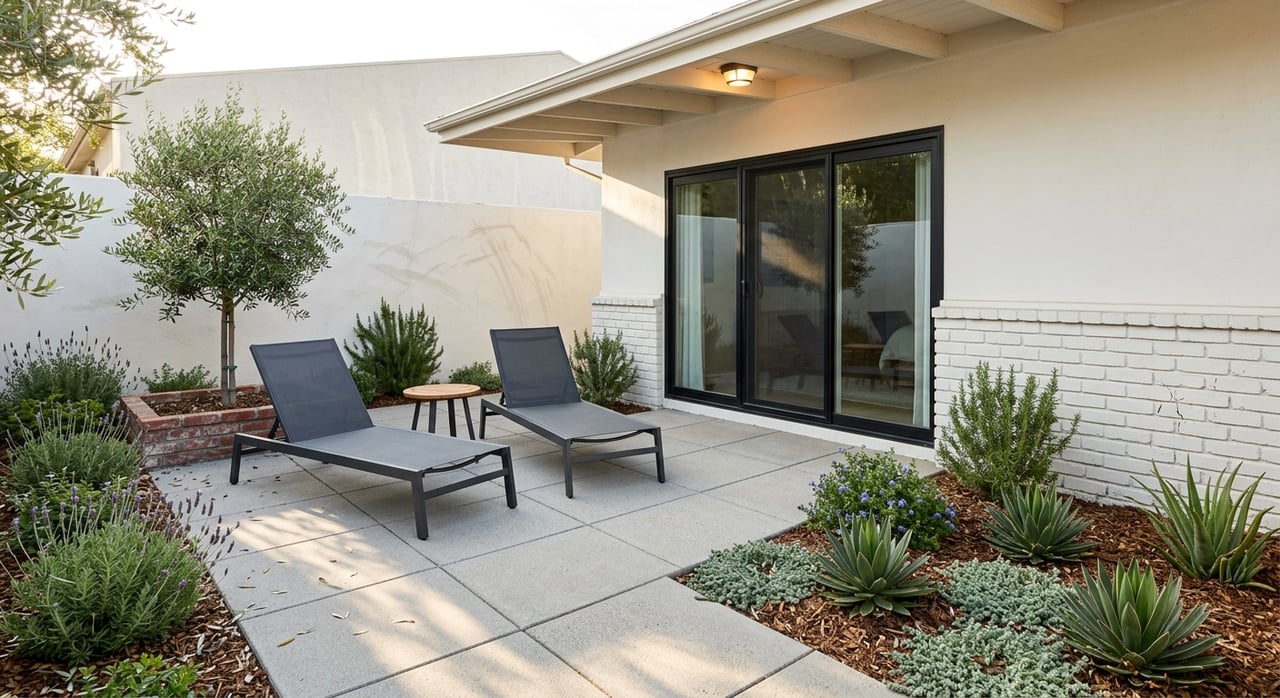
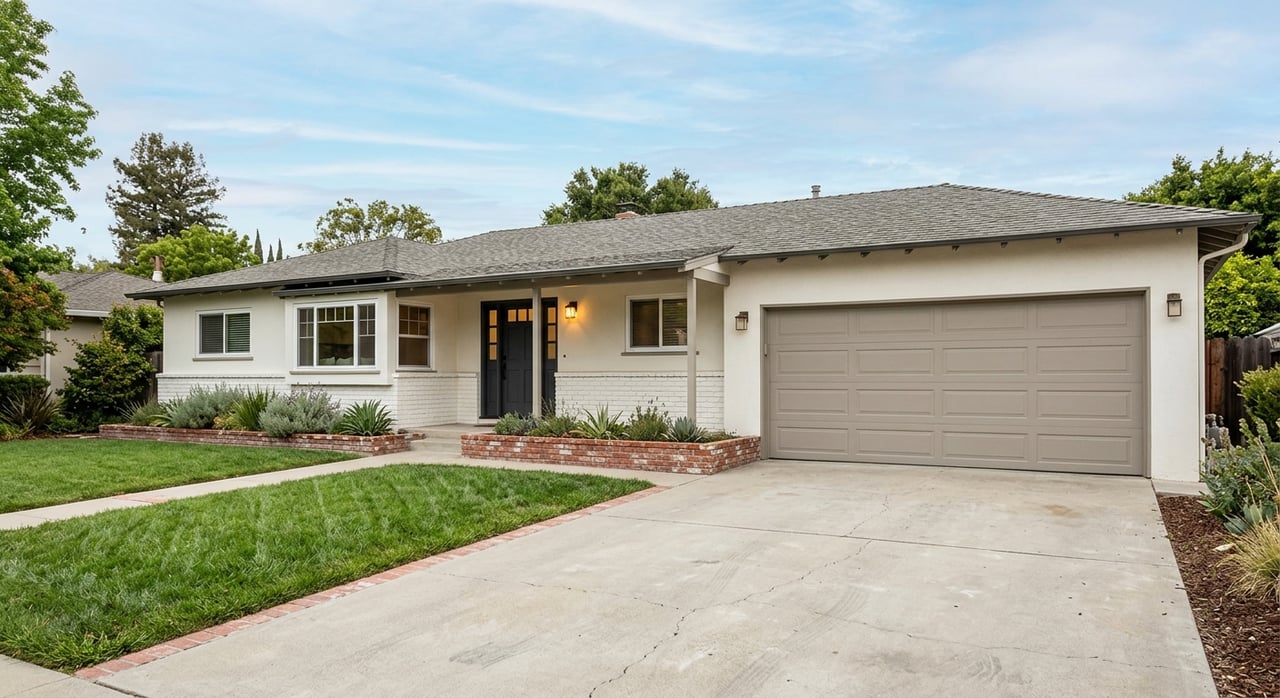
Both neighborhoods offer a high share of mid‑20th‑century single‑family homes, with renovations and newer infill in select pockets. Woodland Hills mixes mid‑century ranch homes, hillside estates, and condo or mixed‑use living near Warner Center. West Hills skews residential and includes mid‑century tracts, renovated homes, and hillside properties.
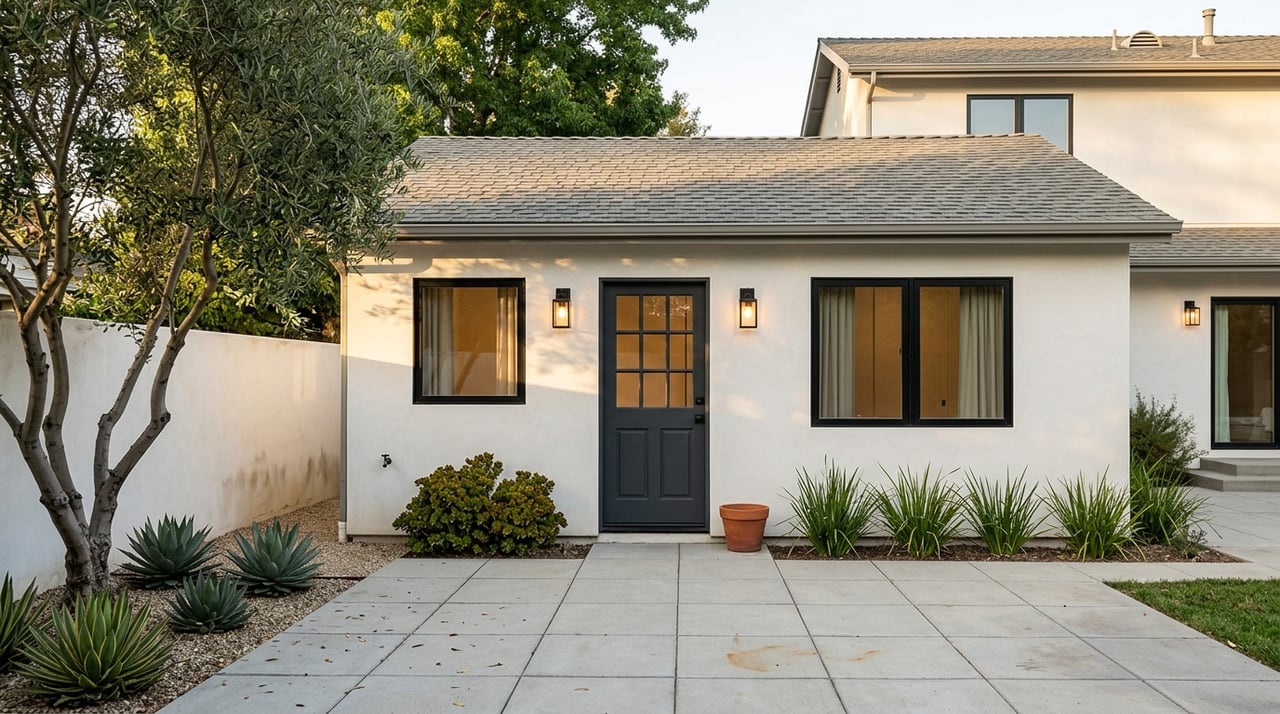
Lot sizes are a big draw. Typical detached lots in both areas frequently fall in the roughly 6,000–12,000 square foot range, with West Hills showing more pockets of larger parcels on or near the hills. If space for a future ADU or expanded outdoor living is a priority, compare parcel maps carefully and consult local resources on typical lot sizes in Woodland Hills and nearby areas such as this ADU overview.
Access to trails and open space is excellent. On the Woodland Hills side, the Upper Las Virgenes Canyon Open Space Preserve offers miles of hiking, biking, and equestrian routes. In West Hills, El Escorpión Park and nearby trailheads provide quick access to Castle Peak and the surrounding network.
Lifestyle and amenities
Woodland Hills centers on the Warner Center district and the Westfield Topanga and The Village retail core. That cluster concentrates jobs, shopping, dining, and entertainment in one place. It also continues to evolve. For context on local planning and project history, review the City’s materials for the Village at Westfield Topanga.
West Hills offers a calmer residential feel with neighborhood parks and local centers. You’re still a short drive from Topanga Canyon Boulevard’s retail, but day‑to‑day streets tend to be quieter, with more immediate access to west‑Valley trailheads and open space.
Choose Woodland Hills if you want
- Shorter trips to Warner Center jobs, shopping, and dining.
- A mix of hillside estates, mid‑century homes, and condo options near a major retail core.
- Transit and shuttle connections along the G Line corridor that may lessen freeway reliance.
- To pay a modest premium for proximity to dense amenities and services.
Choose West Hills if you want
- A quieter, residential street grid with trailheads and open space close by.
- Parcels that, in some pockets, skew larger and more lot‑oriented.
- A neighborhood orientation toward elementary‑level charter programs, with various middle/high school pathways to explore.
- Slightly more buying power for similar property features.
How to decide: a simple checklist
Use this step‑by‑step filter to get from “both could work” to “this is our fit.”
- Confirm your commute
- Run live routes for typical and worst‑case windows to your office or most frequent destinations. Compare average baselines for 91367 and 91307 to set expectations.
- Map your school options
- Start with the LAUSD School Search to confirm attendance zones. Then review program types, permits, and deadlines for schools like El Camino Real Charter HS and Hamlin Charter Academy.
- Define your lot and layout needs
- Decide if you value a larger yard, ADU potential, or indoor‑outdoor upgrades. Verify exact parcel dimensions on any home you tour, and use references like this Woodland Hills ADU overview to understand typical lot patterns.
- Prioritize lifestyle anchors
- List your three must‑haves: walkable retail, nearby trails, a quiet street, or a condo with amenities. Woodland Hills tends to group retail and offices; West Hills leans residential with quick trail access.
- Check local considerations
- For safety research, use official tools like the LAPD Crime Mapping and COMPSTAT portal. For wildfire and hillside topics near open space, review MRCA and park resources such as Upper Las Virgenes Canyon Open Space.
Budget scenarios: what your dollar buys
- Entry and move‑up homes: In both neighborhoods, you’ll find mid‑century single‑family homes at varying levels of update. West Hills may stretch your budget toward a slightly larger lot or a more finished interior at a similar price point.
- Hillside and view properties: Woodland Hills has a wider spread of canyon‑side and hillside estates, which can push prices well above the median. West Hills has its own hillside pockets that attract buyers seeking more land and a quieter setting.
- Condos and townhomes: Woodland Hills near Warner Center offers more condo choices if you want a lower maintenance lifestyle close to retail and transit.
Putting it together
If you crave a lively retail core and closer‑in convenience to jobs and transit, Woodland Hills often wins. If you want a peaceful residential feel, quick trail access, and a bit more yard for the money, West Hills may be the better match. Both deliver that classic West Valley suburban experience — it just comes down to where you want to trade convenience, space, and budget.
Ready to walk through the tradeoffs for your specific priorities, budget, and timeline? Connect with Bruce Barz to map your search, tour targeted areas, and negotiate with confidence.
FAQs
Is Woodland Hills or West Hills more affordable in 2026?
- West Hills typically shows a lower median sale price, while Woodland Hills carries a modest premium based on January 2026 neighborhood market snapshots.
How long are commutes from each neighborhood on average?
- ACS five‑year estimates show about 31.6 minutes in Woodland Hills’ 91367 and about 32 minutes in West Hills’ 91307, though actual times vary by route and time of day.
How do school assignments work in these areas?
- LAUSD sets attendance zones and program rules; always verify boundaries and enrollment details with the district’s School Search.
Where will I find larger lots or more yard space?
- Both areas commonly offer 6,000–12,000 square foot lots, with West Hills featuring more pockets of larger hillside or estate‑style parcels in some sections.
Which neighborhood has better access to parks and trails?
- Both are strong: Woodland Hills borders the Upper Las Virgenes Canyon Open Space Preserve, and West Hills sits near El Escorpión Park and nearby trailheads.