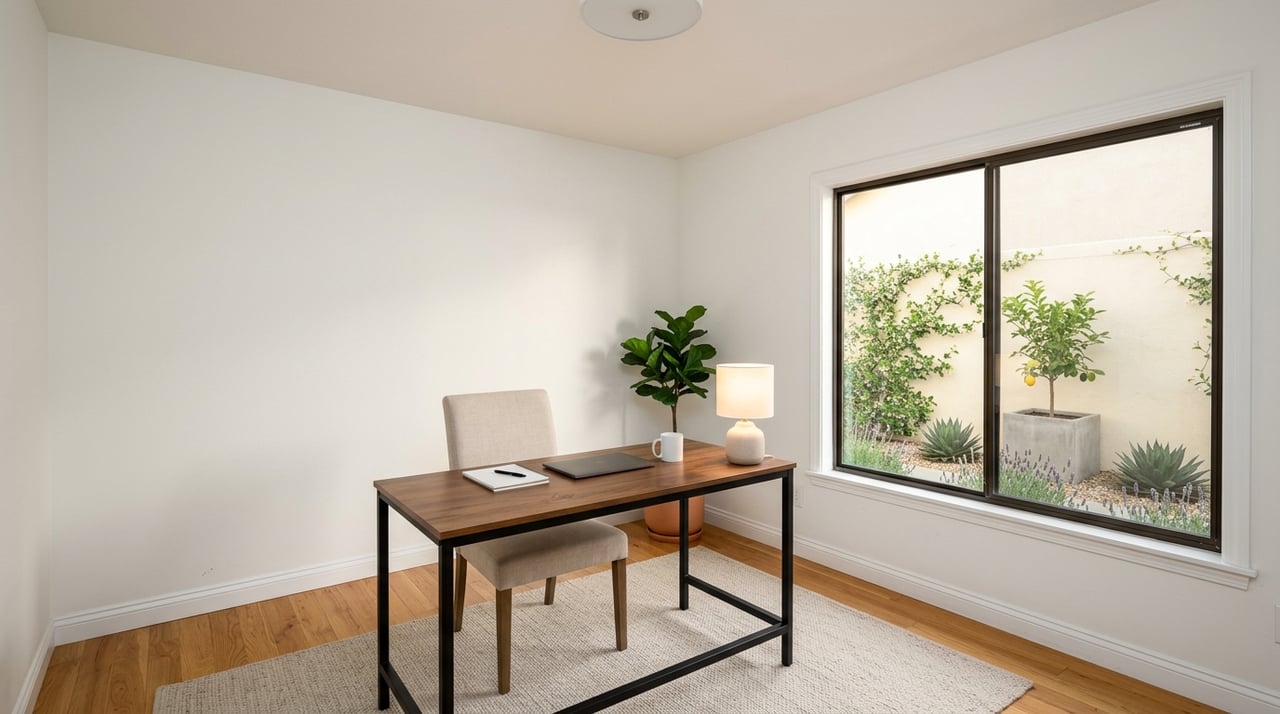
If your workday starts at home, your neighborhood matters more than ever. You want enough space to focus, nearby places to reset, and practical conveniences that make the day feel easier, not more isolated. In Woodland Hills, that mix is a big part of the appeal, especially if you want a more residential setting without feeling cut off from daily needs. Let’s dive in.
Why Woodland Hills fits remote work
Woodland Hills sits in the southwest San Fernando Valley and offers a setting that feels more suburban than many central Los Angeles neighborhoods. City Planning describes the area as having a variety of predominantly single-family homes and identifies Warner Center as a major local business district.
That combination matters when you work from home. You get a residential environment that can feel more spacious, along with access to shopping, services, and work-friendly destinations close by. For many buyers, that creates a day-to-day rhythm that feels balanced and practical.
The broader community plan also points to Woodland Hills as part of an economic hub in the Valley. Warner Center’s planning framework is designed to coordinate residential and commercial development, improve transportation connections, and protect nearby residential streets from through traffic.
If you split time between home and office, that is useful context. Woodland Hills can support both a quieter home base and a workable hybrid routine.
Home features that support focus
When you work remotely, the layout of your home often matters as much as square footage. In Woodland Hills, the local housing mix gives you a better chance of finding spaces that can flex into a home office, den, guest room, or study.
According to Los Angeles City Planning demographics for the broader community plan area, single housing units account for 54.2% of dwelling units. Owner-occupied and renter-occupied housing are also fairly balanced, which means the area can appeal to both long-term buyers and renters looking for a more comfortable setup.
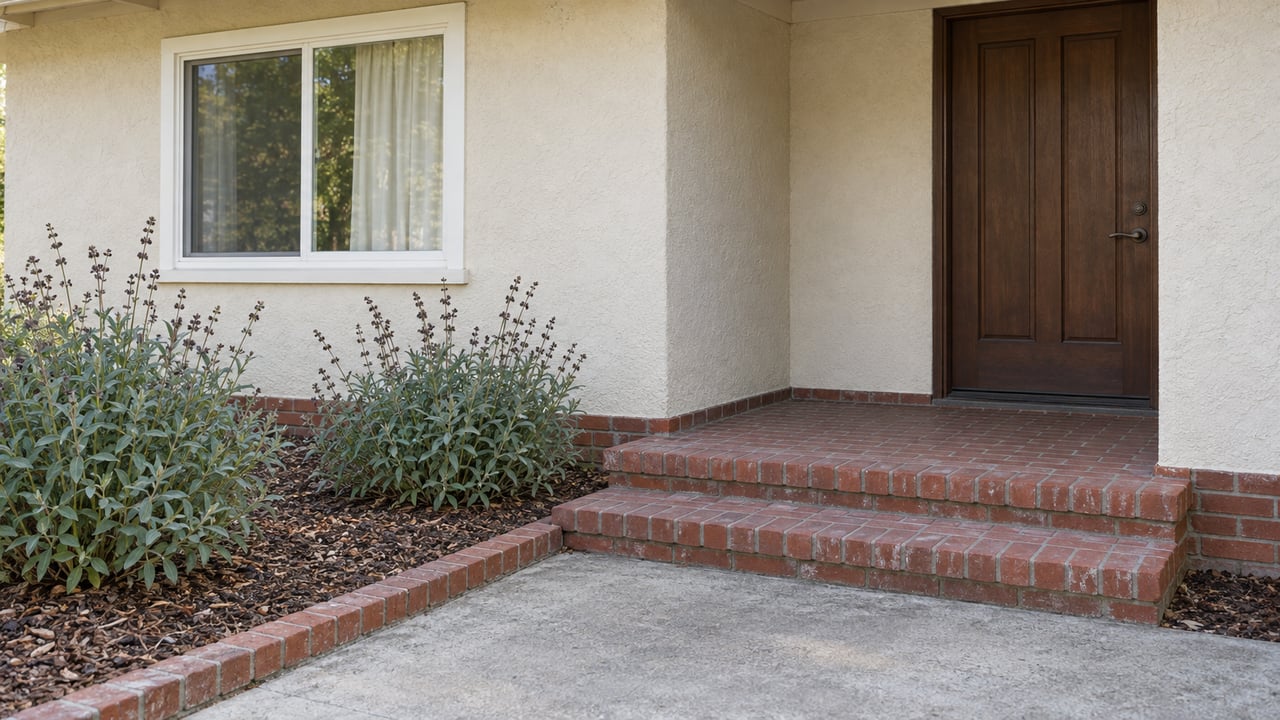
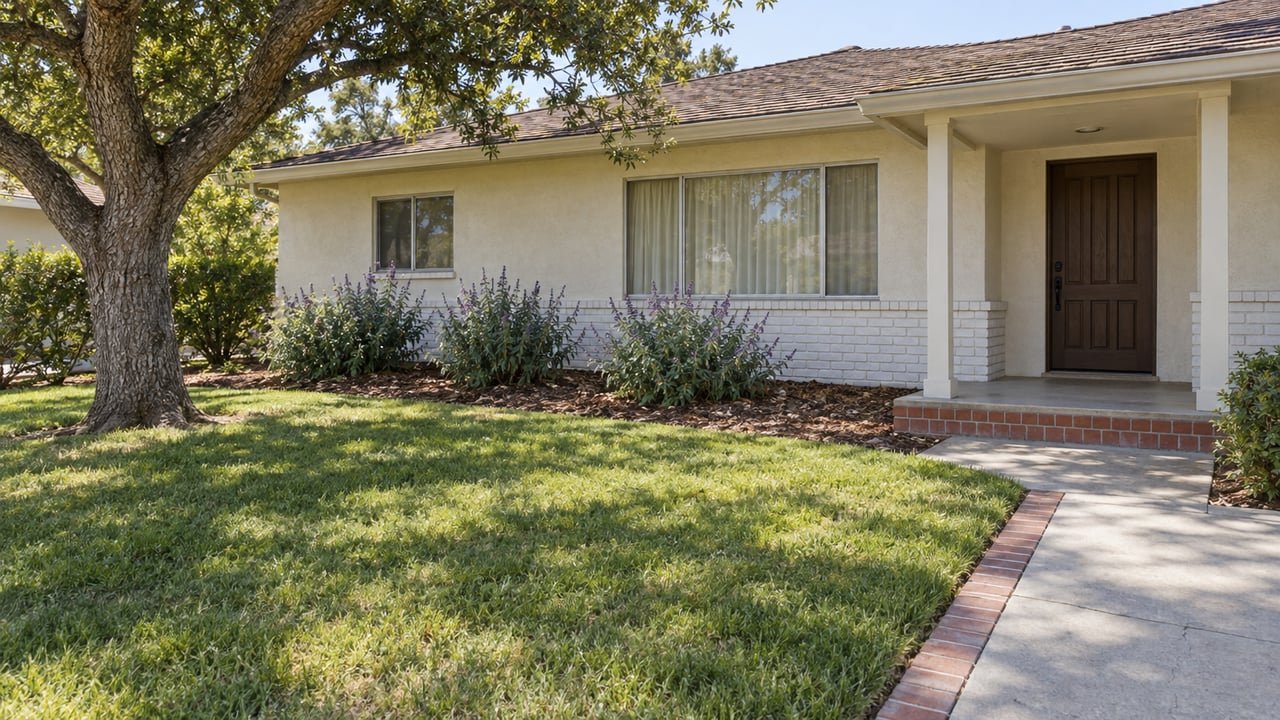
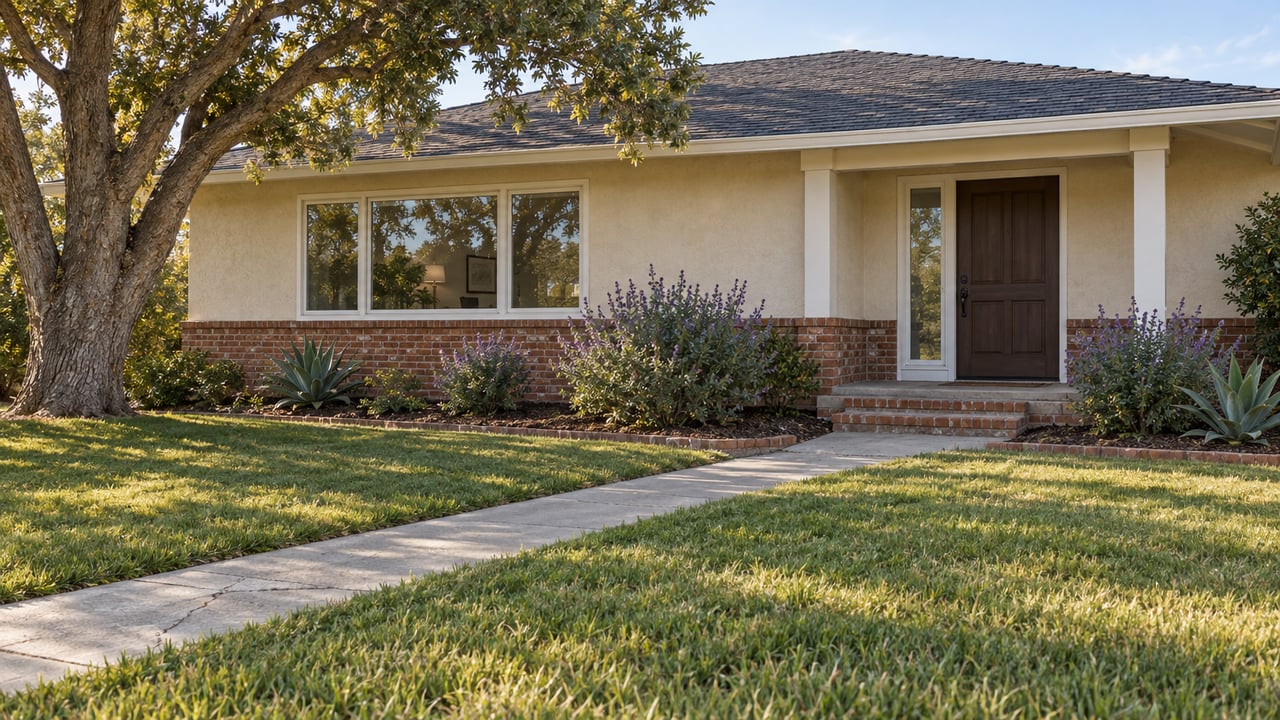
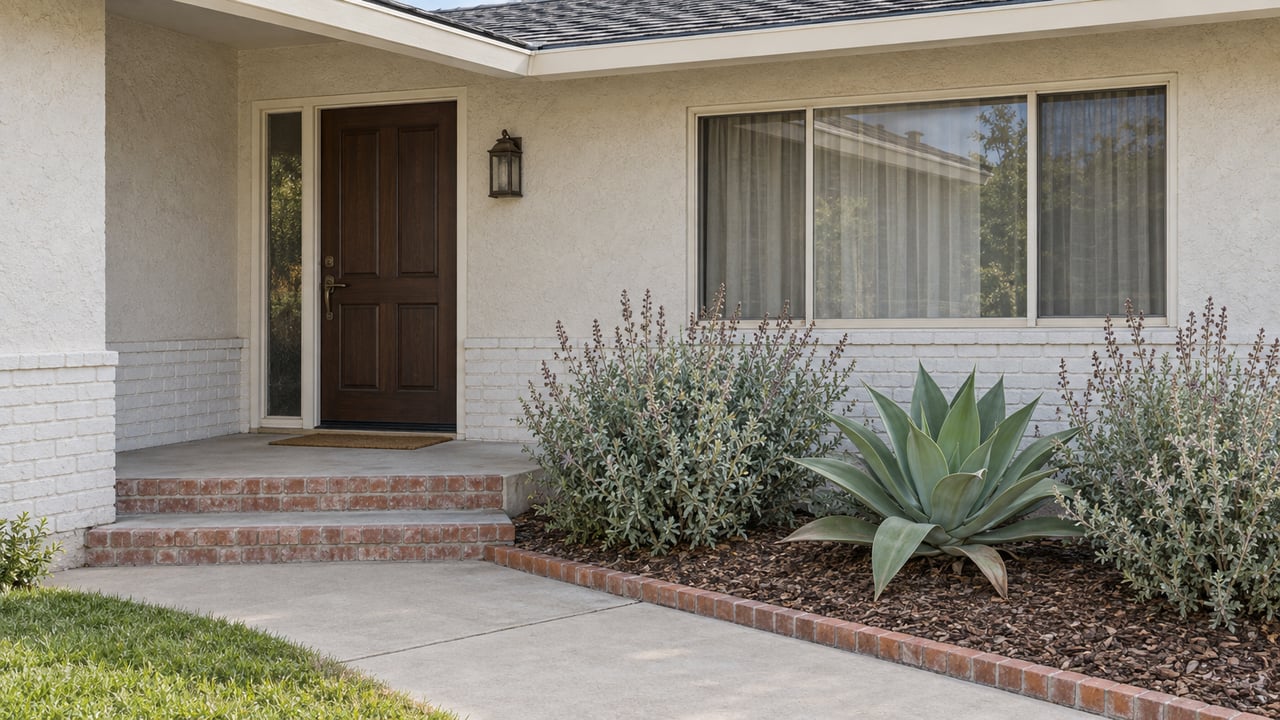
Woodland Hills is also known for housing styles that often lend themselves to flexible living. SurveyLA materials for the area identify a notable concentration of Traditional Ranch homes, along with Mid-Century Modern development in nearby Valley neighborhoods.
Those homes are often associated with features like rambling floor plans, attached garages, large windows, and sliding doors. In real life, that can translate into better natural light, a stronger indoor-outdoor connection, and room configurations that are easier to adapt for work needs.
Recent planning documents in the area also reflect a local pattern of detached homes with three or four bedrooms and two-car garages. While every property is different, that housing vocabulary supports the idea that Woodland Hills may offer more flexible work-from-home potential than denser parts of Los Angeles.
Woodland Hills feels suburban, not isolated
One of the biggest challenges of remote work is finding the right balance between calm and convenience. Woodland Hills tends to offer that middle ground.
The neighborhood is mostly suburban in feel, especially in its residential areas. At the same time, Warner Center and Ventura Boulevard create a mixed-use core with nearby services, dining, and office options.
That means your day does not have to happen in one room. You can start with a morning meeting at home, step out for coffee, run errands between calls, or shift to a different workspace without making a major trip across the city.
For buyers thinking long term, that flexibility is more than a lifestyle perk. It can shape how comfortable and sustainable your home really feels over time.
Places to work outside the house
Even if you love your home setup, a change of scenery can help. Woodland Hills has several options for days when you want Wi-Fi, a table, and a little separation between home life and work.
Capital One Café at Westfield Topanga describes features that remote workers often look for, including free Wi-Fi, power outlets, semi-private nooks, coworking spaces, and reservable work nooks. If you like a polished, casual workspace close to shopping and services, that is one local option.
For a more formal office setup, Woodland Hills also has coworking choices. Premier Workspaces lists Q Work Topanga with meeting rooms, day offices, virtual offices, and private offices, and also lists Warner Center Towers as another local office-space location.
WeWork’s Campus @ Warner Center adds another option with meeting rooms, private offices, open lounges, a wellness and meditation room, and EV charging. If your work requires occasional client meetings or a more structured setting, these choices can add real value to the neighborhood.
Cafes also play an important role in the local remote-work routine. Alfred Coffee Topanga Village, Blue Bottle Coffee at Valley Country Market, Coill Café on Ventura Boulevard, and Hideout Cafe on Ventura Boulevard all help support the idea that you can leave the house for an hour or two without leaving Woodland Hills.
Libraries and low-cost work spots
Not every work session needs a membership or a coffee purchase. Sometimes you just want a quiet, reliable place to plug in and focus.
The Woodland Hills Branch Library is a useful local resource for that. Los Angeles Public Library lists Wi-Fi, public computers, wireless printing, a parking lot, and a bike rack at the branch.
Nearby Platt Branch Library offers similar services. For residents who want a lower-cost or quieter alternative, the library system adds another layer of flexibility to daily life in the area.
Outdoor breaks make a difference
Working from home is usually more comfortable when you can step outside and reset during the day. Woodland Hills has a strong advantage here thanks to its foothill setting and access to open space.
The community plan notes the Santa Monica Mountains on the south side of the Woodland Hills subarea. That geography helps explain why outdoor access is such a visible part of the neighborhood’s appeal.
Topanga State Park is one of the biggest nearby draws. California State Parks says it covers 11,525 acres and includes 36 miles of trails through open grassland and live oaks, with views toward the Pacific Ocean and the hills above the San Fernando Valley.
Upper Las Virgenes Canyon Open Space Preserve is another major option near the west side of Woodland Hills. The Mountains Recreation and Conservation Authority describes it as more than 5,600 acres with hiking, biking, and equestrian trails.
For shorter breaks closer to home, Warner Center Park offers picnic tables and a bandshell and is open from dawn to dusk. The Woodland Hills Recreation Center also adds another neighborhood park option that supports a healthier work-life rhythm.
What hybrid workers should know
If you do not work remotely every day, Woodland Hills still checks a lot of important boxes. Planning documents emphasize access to regional freeways and rail services, while Warner Center is designed to support a better jobs and housing relationship.
In practical terms, that means Woodland Hills can work for people who commute only part of the week. You can enjoy a home environment that feels more residential while staying connected to a larger employment base.
That can be especially appealing if you are moving from a denser neighborhood and want more breathing room without giving up everyday access. For many buyers, that balance is exactly what makes Woodland Hills stand out.
What to look for in a Woodland Hills home
If working from home is a priority, it helps to shop with a clear checklist. Not every home will support your routine the same way, even within the same neighborhood.
As you compare properties, pay close attention to:
- Bedroom count and whether one room can function well as an office
- Natural light and window placement
- Noise separation between living and work areas
- Garage or flex-space potential
- Outdoor space for breaks between meetings
- Proximity to cafes, library branches, parks, and coworking options
- Ease of access to Warner Center, Ventura Boulevard, and major travel routes
A thoughtful home search is not just about finding extra square footage. It is about matching the property to how you actually live and work.
Why local guidance matters
Woodland Hills offers a range of housing types, from established single-family homes to newer residential options closer to Warner Center. That variety is helpful, but it also means the right fit depends on your routine, space needs, and long-term goals.
If you are buying with remote or hybrid work in mind, it helps to look beyond photos and bedroom counts. A strategic search should also consider layout, flexibility, access to third spaces, and how the neighborhood supports your week as a whole.
That is where local market knowledge can make a real difference. When you understand both the home and the day-to-day lifestyle around it, you can make a more confident decision.
If you are exploring Woodland Hills and want a smart, tailored approach to your next move, schedule a free consultation with Bruce Barz.
FAQs
Is Woodland Hills a good place for remote work?
- Yes. Woodland Hills offers a mostly suburban feel, a predominance of single-family housing, nearby business and shopping areas, and access to cafes, coworking spaces, libraries, and outdoor recreation.
What types of homes are common in Woodland Hills?
- City Planning describes Woodland Hills as having predominantly single-family homes, and SurveyLA notes a notable concentration of Traditional Ranch homes along with Mid-Century Modern development in nearby Valley neighborhoods.
Are there places to work outside the home in Woodland Hills?
- Yes. Local options include cafes, coworking spaces such as Q Work Topanga and WeWork at Warner Center, Capital One Café at Westfield Topanga, and the Woodland Hills Branch Library.
Does Woodland Hills have good outdoor access for work breaks?
- Yes. Nearby options include Topanga State Park, Upper Las Virgenes Canyon Open Space Preserve, Warner Center Park, and the Woodland Hills Recreation Center.
Can Woodland Hills work for hybrid commuters?
- Yes. Local planning documents highlight access to regional freeways and rail services, and Warner Center is intended to support a strong connection between housing, jobs, and transportation.